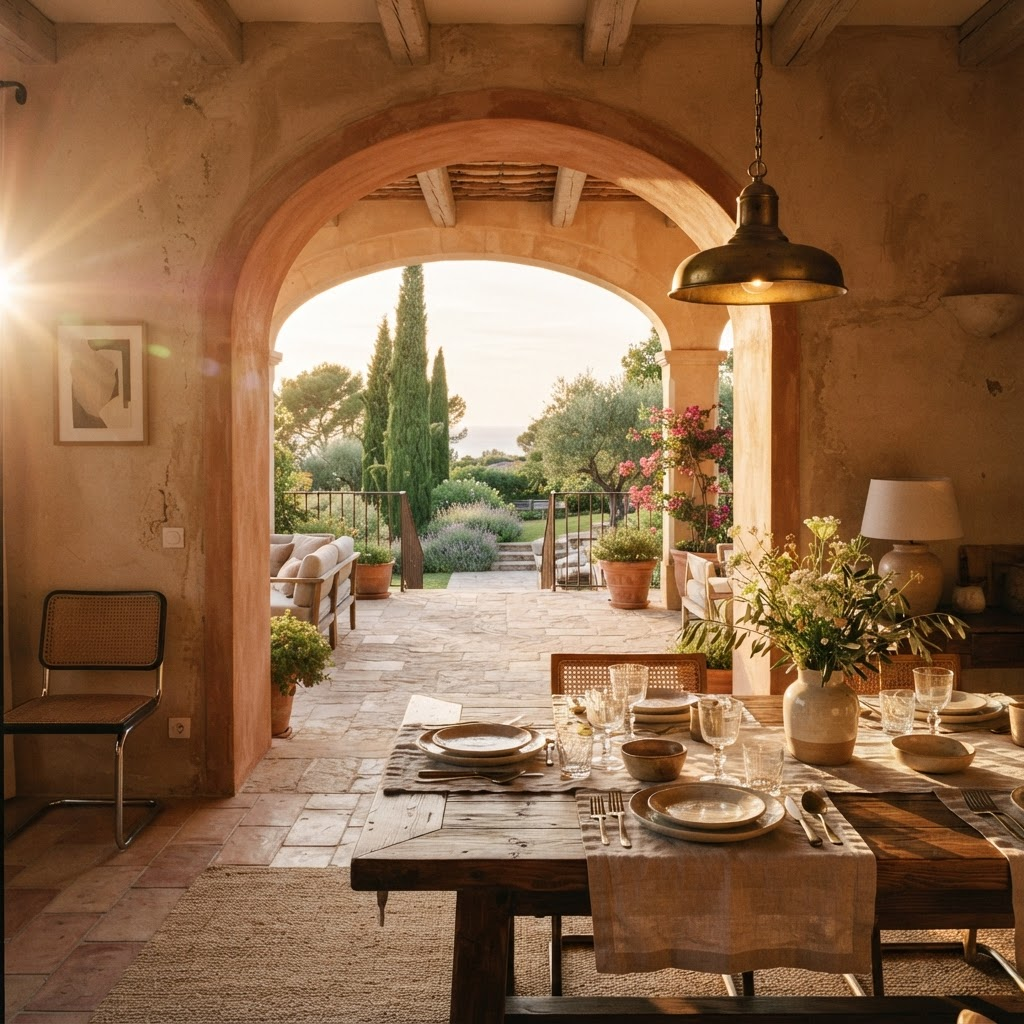
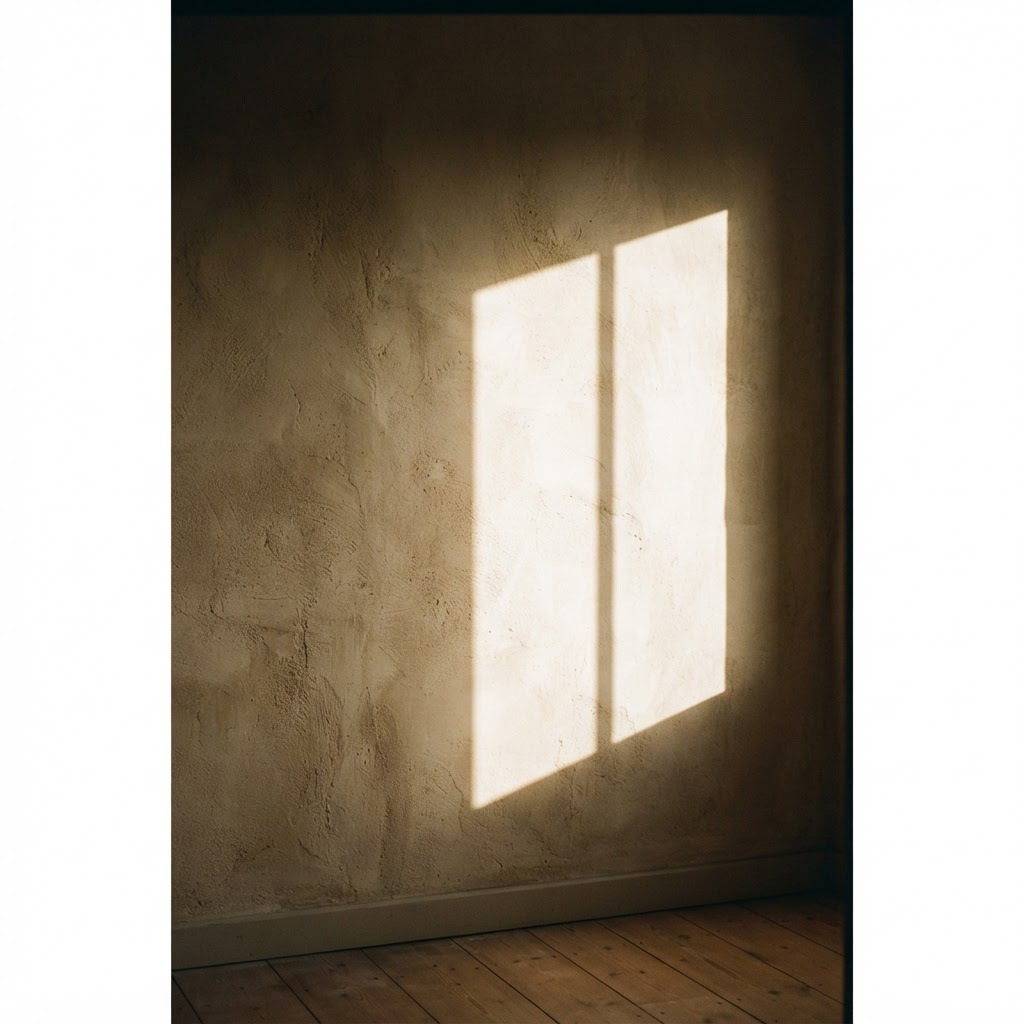
For most of our first decade, light arrived late in the process. We would resolve the plan, choose the materials, refine the joinery — and then, somewhere around week fourteen, ask an engineer where the downlights should go. It was, in retrospect, an extraordinary way to work.
The reversal came from a small house in Jaipur. The client, a ceramicist, asked a question that reframed the entire commission: at what hour will this room be at its best? Not what will it look like — when. We had no answer, because we had never once been asked to design for a specific time of day.
A survey before a sketch
We now begin every project with a light survey. Not a lux reading — a year of sun angles, plotted for the site, hour by hour, season by season. It takes four days and costs almost nothing. It has changed more of our plans than any other single tool.
In Jodhpur it told us that the courtyard would be unusable between one and four in the afternoon for five months of the year — so we moved the principal living space to the north colonnade and gained a room the client did not know she had.
Daylight is the only material in a building that cannot be specified, delivered late, or substituted for something cheaper. It is also the only one that is free.
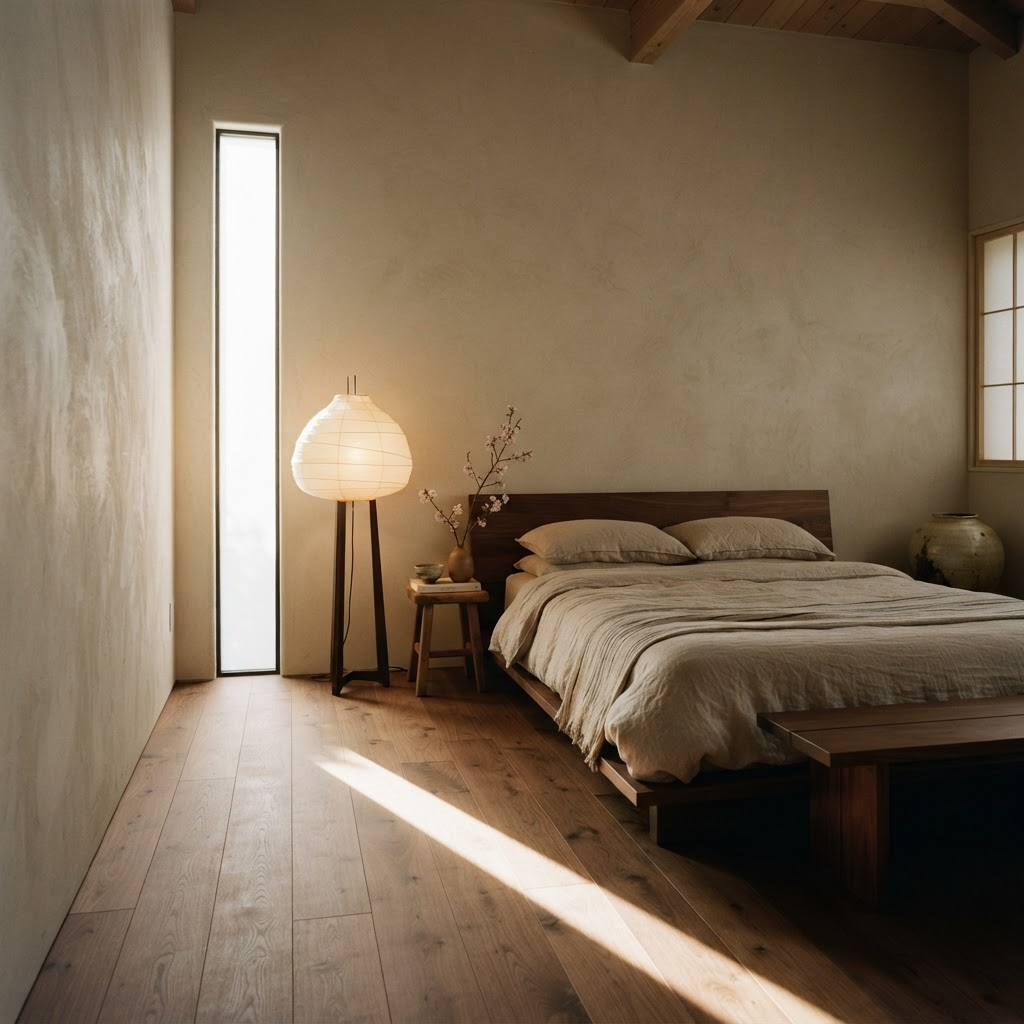
Designing the dark, too
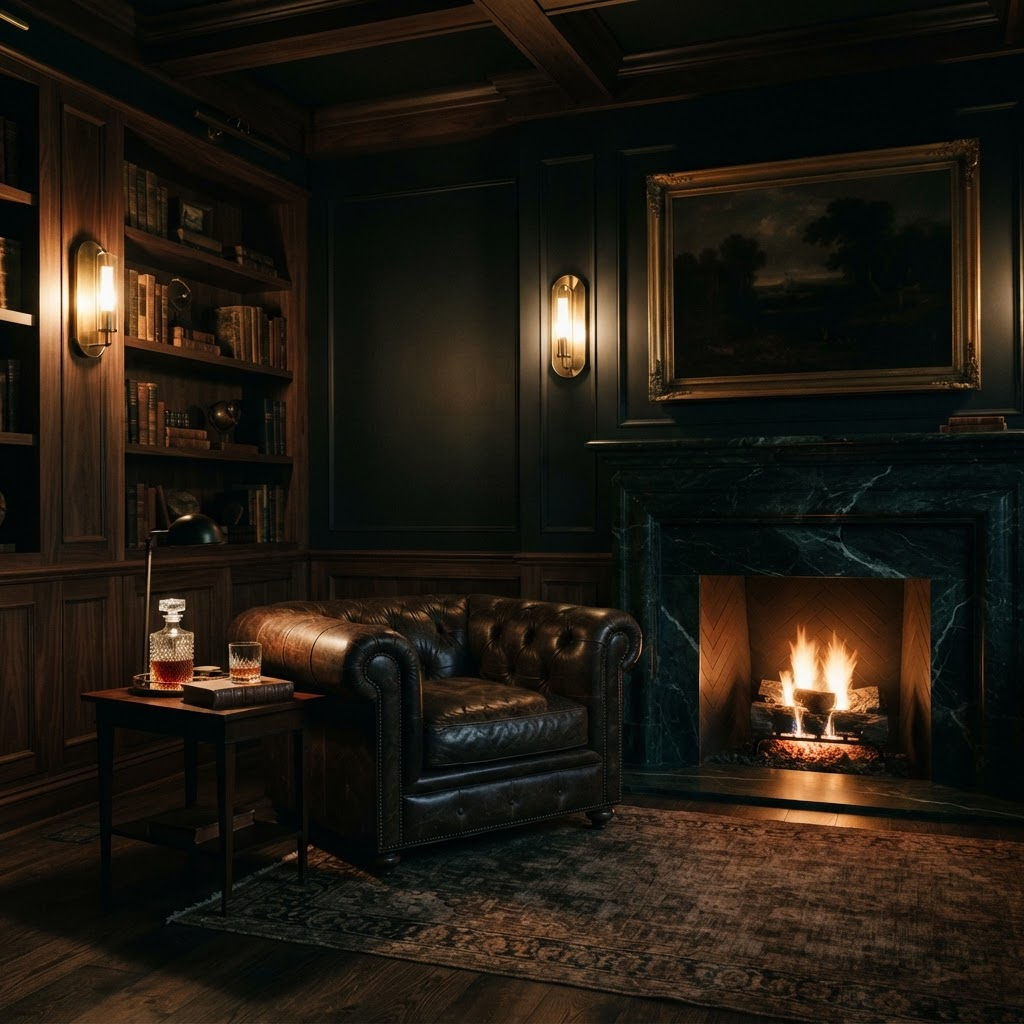
The corollary is that darkness must also be composed. In the Nocturne Residence in Bengaluru we used no downlights whatsoever — eighteen individually dimmable sources, all below eye level, none visible from a seated position.
Guests routinely tell the client the house feels expensive. What they are responding to is not the walnut or the marble. It is that no light source is glaring at them.
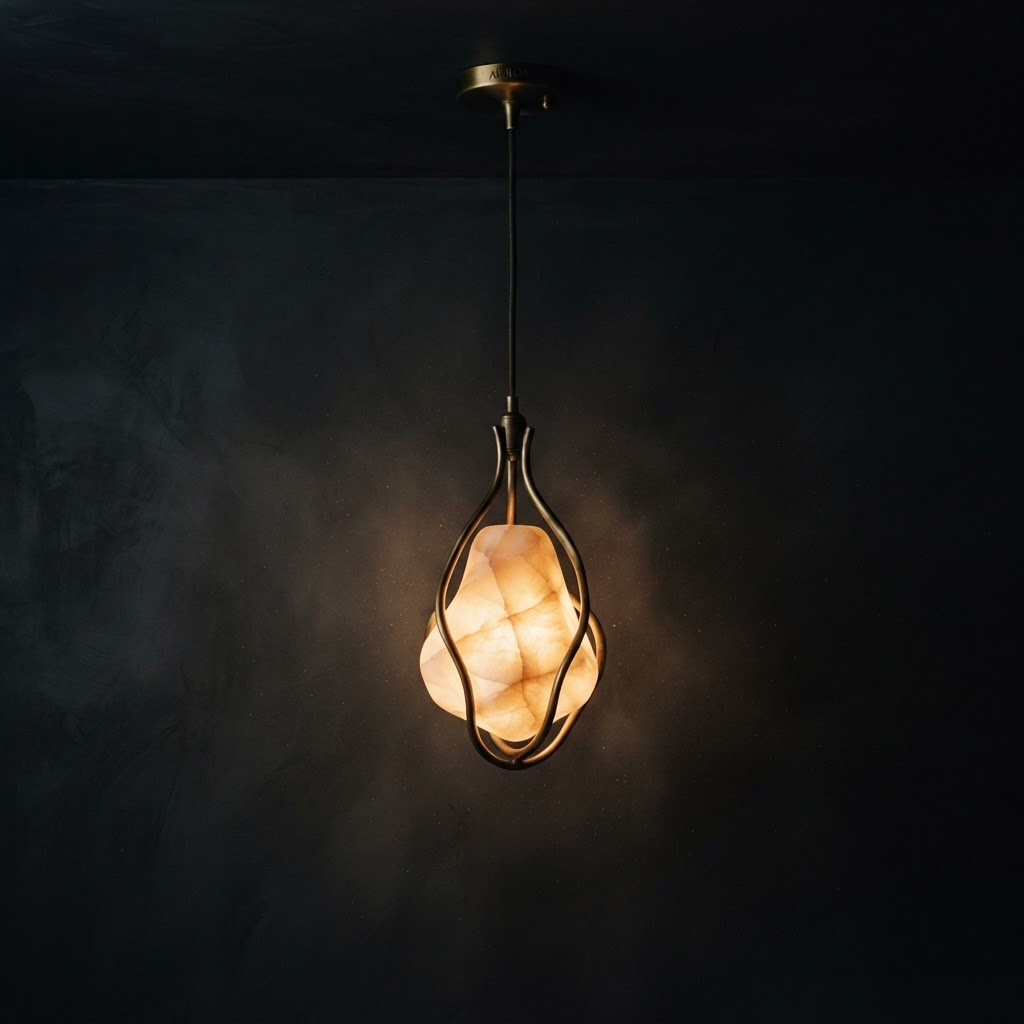
Three rules we now keep
First: no artificial source above 2700K in any residential room, and never above 2400K in a bedroom. Second: no visible lamp from any seated position. Third: every circuit dimmable to below five percent, or it does not get specified.
These are not aesthetic preferences. They are the difference between a room you photograph and a room you stay in.
Written by
Sanjana Tyagi
Filed under Design Notes on 18 March 2026.